Introduction
SEO consultants need more than a basic keyword checker to deliver meaningful results. They must understand search intent, identify technical problems, analyze competitors, measure organic performance, and explain their recommendations to clients. This is where SEO tools for consultants become essential. The right tools help professionals turn complex search data into practical strategies that support stronger rankings, relevant traffic, and business growth.
In 2026, SEO consulting also requires a broader understanding of search visibility. Traditional search results remain important, but consultants must pay attention to AI-generated search experiences, changing user behavior, content quality, and website performance. Choosing suitable software helps consultants manage these responsibilities without wasting time on unnecessary tasks.
However, the most expensive platform is not automatically the best choice. Effective SEO tools for consultants should match the consultant’s services, client requirements, budget, and reporting needs. Understanding the features that matter most makes it easier to choose software that delivers practical value.
What Are SEO Tools for Consultants?
SEO tools for consultants are software applications that help professionals evaluate websites, research keywords, monitor search rankings, analyze competitors, discover technical issues, and measure organic search performance.
Instead of manually checking every page or collecting information from multiple sources, consultants can use these tools to identify patterns and prioritize improvements. For example, a website audit might reveal broken links, missing title tags, duplicate content, or pages that search engines struggle to crawl.
Keyword research software can uncover relevant search terms, while backlink analysis tools help consultants understand a website’s authority and link profile. Reporting platforms bring these findings together so consultants can demonstrate progress and explain the next steps to clients.


The primary purpose of SEO tools for consultants is not simply to collect data. It is to transform that information into recommendations that improve a website’s visibility and business performance.
How SEO Consultants Use These Tools
Consultants typically use SEO software throughout an engagement. During the initial assessment, they examine website health, organic traffic, keyword positions, and competing websites. This establishes a baseline for measuring future improvements.
During implementation, consultants use the same tools to monitor technical fixes, improve content, identify internal linking opportunities, and track important search queries. Regular reporting then helps clients understand what has changed and which actions deserve further attention.
The value comes from connecting these activities. A keyword ranking report is useful, but it becomes more meaningful when combined with traffic trends, landing-page performance, and conversions.
Why SEO Tools Matter More in 2026
Search behavior continues to evolve, and consultants must adapt their methods accordingly. Search engines use sophisticated systems to understand relevance, content quality, and user intent. Meanwhile, AI-powered search experiences are changing how people discover information.
SEO tools for consultants help professionals respond to these developments by providing better visibility into website performance and competitive opportunities.
Changing Search Results and AI Visibility
Traditional keyword rankings remain useful, but they do not explain every aspect of search visibility. Search results may include featured snippets, AI-generated summaries, local results, videos, and other specialized features.
Consultants should understand which search experiences matter to their clients and use available measurement methods to evaluate them. Google Search Console, for example, provides information about search impressions, clicks, click-through rates, and average positions.
Some specialist platforms also offer AI search visibility monitoring. However, these measurements can vary between providers, so consultants should treat them as directional indicators rather than complete representations of visibility.
Greater Demand for Measurable Results
Clients increasingly want to understand how SEO contributes to business objectives. They may care less about a small ranking improvement than about qualified leads, product sales, or enquiries.
Consequently, SEO tools for consultants should support meaningful performance measurement. Connecting search data with analytics and conversion tracking helps professionals explain whether increased visibility is attracting the right audience.
More Efficient Consulting Workflows
Consultants often manage several websites simultaneously. Automated crawling, scheduled reports, alerts, and reusable dashboards reduce repetitive work.
Automation does not eliminate the need for professional judgment. Instead, it gives consultants more time to investigate important problems, develop recommendations, and communicate with clients.
Which Features Matter Most in SEO Tools for Consultants?
Not every consultant needs every available feature. A local SEO specialist, an ecommerce consultant, and a technical SEO auditor may require different capabilities. Nevertheless, several core features are particularly valuable across most consulting projects.
Keyword Research and Search Intent Analysis
Keyword research is one of the foundations of a successful SEO strategy. Consultants need to discover the phrases potential customers use, understand their search intent, and identify opportunities that match a website’s expertise.
Useful keyword research features include search volume estimates, keyword difficulty scores, related queries, competitor rankings, and historical trends.
Search intent deserves particular attention. Someone searching for a product comparison has different needs from someone looking for a definition or tutorial. Understanding that difference helps consultants recommend the right content format and page structure.
For example, a software company may benefit from comparison pages targeting commercial searches, while an educational website may need detailed informational articles.
Keyword metrics should guide decisions rather than determine them automatically. Search volume estimates are not guarantees of traffic, and low-difficulty keywords do not always represent valuable opportunities.
Technical SEO Auditing and Crawling
Technical SEO tools help consultants understand how search engines discover, crawl, and interpret website pages.
A useful auditing platform can identify broken links, redirect chains, missing metadata, duplicate titles, canonicalization problems, and other potential issues. More advanced crawlers can evaluate internal linking, indexability, structured data, and page depth.
The best tools also help consultants prioritize findings. A critical indexing problem affecting important landing pages deserves more attention than a minor warning on an insignificant page.
However, automated audit results require interpretation. Not every warning represents a ranking problem, and some issues are intentional. Consultants should validate findings before recommending changes, especially when a website has complex technical requirements.
Rank Tracking and Competitor Analysis
Rank tracking allows consultants to monitor how selected keywords perform over time. Depending on the platform, tracking may support locations, devices, search engines, and competing domains.
Competitor analysis adds context by showing which keywords competing websites target, which pages attract visibility, and where their backlink profiles differ.
These insights help consultants identify realistic opportunities. If competitors consistently rank with comprehensive service pages, a thin landing page may struggle to compete without stronger content and clearer relevance.
Nevertheless, rankings fluctuate because of search personalization, location, competition, and algorithm changes. Consultants should examine ranking trends alongside impressions, clicks, conversions, and the quality of the search results.
Backlink Analysis and Link Quality
Backlinks remain an important consideration in SEO because they can help search engines discover pages and evaluate relationships between websites.
Backlink analysis features help consultants examine referring domains, anchor text, link growth, and potentially suspicious patterns. They can also reveal which competitor pages attract links naturally.
The objective is to understand a website’s link profile and identify opportunities for earning relevant, editorially appropriate links.
Consultants should avoid evaluating links solely by numerical authority scores. Third-party metrics are estimates, not direct Google ranking factors. Relevance, editorial context, link placement, and the overall quality of a website deserve careful consideration.
SEO Reporting and Client Dashboards
Reporting is especially important for consultants because clients need clear explanations of performance and progress.
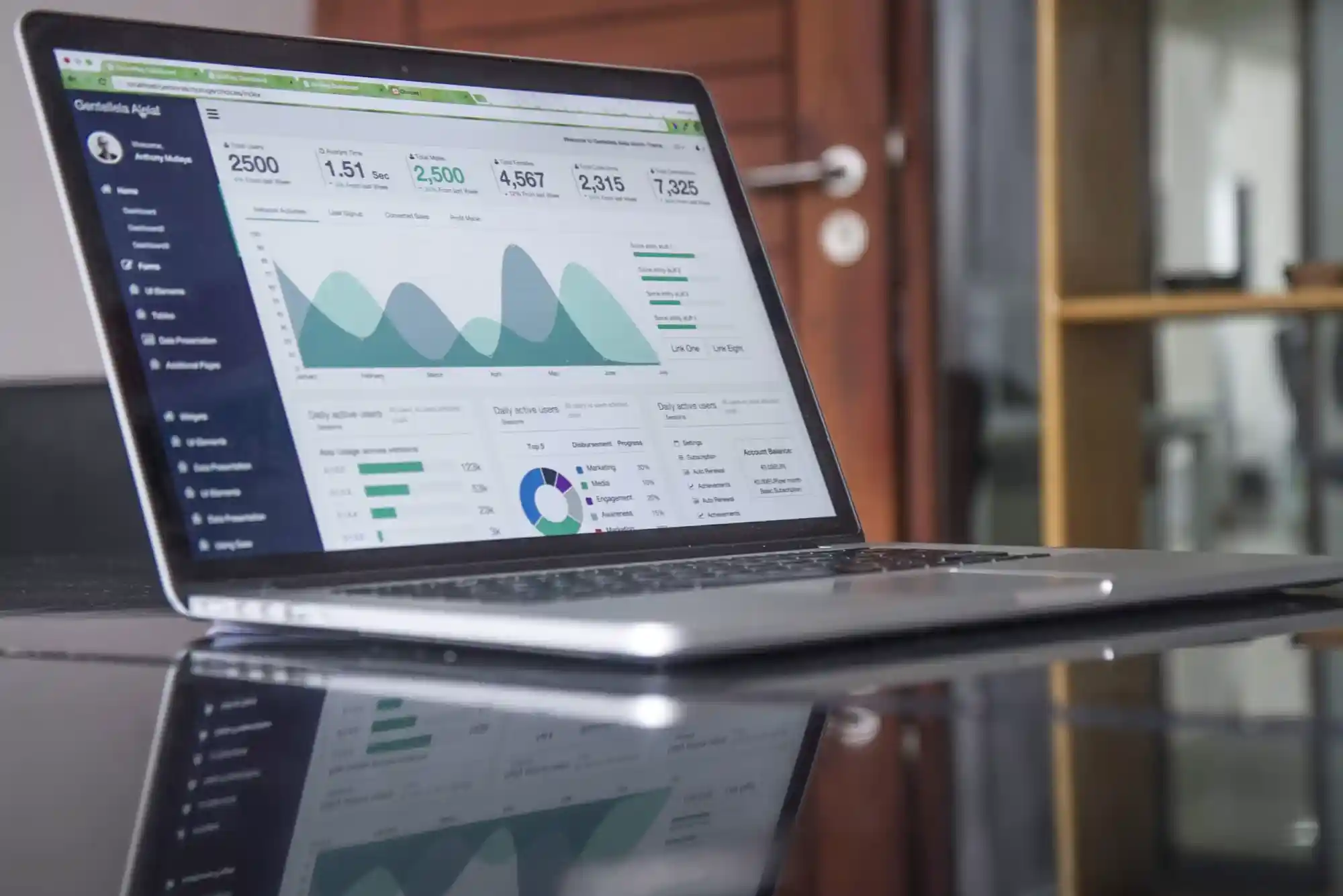
Good reporting features combine keyword rankings, organic traffic, landing-page results, technical improvements, and conversion data. Custom dashboards allow consultants to focus on the metrics that matter to each business.
Reports should explain what happened, why it matters, and what should happen next. For example, an increase in impressions without a similar increase in clicks may indicate an opportunity to improve page titles, descriptions, or search intent alignment.
Avoid filling reports with dozens of unrelated metrics. A concise explanation supported by relevant evidence is often more valuable than a lengthy spreadsheet.
Integration With Analytics and Search Console
SEO tools for consultants become more useful when they work alongside trusted data sources.
Google Search Console provides information about how a website performs in Google Search. Google Analytics 4 can help consultants evaluate user behavior and configured conversions.
Integrations reduce manual reporting and make it easier to connect search visibility with outcomes. However, consultants should understand differences between data sources. Search Console clicks and Analytics sessions are not identical measurements, so their numbers should not always match.
AI-Assisted Research and Workflow Automation
AI features can help consultants summarize audit findings, group keyword ideas, classify search intent, organize content briefs, and identify patterns in large datasets.
These capabilities can improve efficiency, particularly when handling multiple clients or large websites. Still, AI-generated recommendations should be reviewed against actual website data and reliable documentation.
AI content assistance should not replace original research, subject expertise, factual verification, or editorial judgment. Consultants remain responsible for the quality and accuracy of their recommendations.
In 2026, the strongest workflows combine automation with human evaluation rather than relying on automated suggestions without review.
Which SEO Tools Should Consultants Consider in 2026?
The best platform depends on the consultant’s services and working methods. Some professionals prefer an all-in-one platform, while others combine specialist tools for more accurate or affordable workflows.
Google Search Console
Google Search Console is an essential starting point for many consultants. It provides first-party information about Google Search impressions, clicks, indexing, and search performance.
Its main advantage is direct access to Google Search data without a paid subscription. However, it does not replace comprehensive competitor research, advanced backlink analysis, or every type of technical crawler.
Google Analytics 4
Google Analytics 4 helps consultants understand what users do after reaching a website. With suitable configuration, it can measure leads, purchases, engagement, and other business outcomes.
It is especially useful when clients want to understand whether organic visitors contribute to meaningful results rather than simply increasing traffic.
Screaming Frog SEO Spider
Screaming Frog SEO Spider is a specialist website crawler that helps consultants investigate technical SEO problems and analyze large groups of URLs.
It is particularly valuable for detailed audits, internal linking reviews, metadata checks, and identifying duplicate or missing elements. Its usefulness depends on configuration, crawl limits, and the consultant’s ability to interpret the findings.
Semrush and Ahrefs
Semrush and Ahrefs offer broader SEO research capabilities, including keyword analysis, competitor research, backlink information, and related monitoring features.
They can suit consultants who need multiple capabilities within a single working environment. However, their datasets, metrics, pricing, and feature availability differ, so professionals should compare current plans against their actual requirements.
Specialist SEO Platforms
Some consultants prefer specialist platforms for particular tasks, such as local SEO, content optimization, rank tracking, or automated reporting.
When evaluating seo tools, focus on whether the available features address genuine client needs. Compare data freshness, supported search engines, export options, integration capabilities, reporting limits, and total cost.
A smaller collection of reliable tools can be more effective than paying for multiple overlapping subscriptions.
How to Choose the Right SEO Tools for Consultants
Choosing software should begin with a clear understanding of the services being delivered.
Match Features to Your Consulting Services
Technical SEO consultants should prioritize crawling, indexing diagnostics, and log-file analysis where appropriate. Content-focused consultants may place greater emphasis on keyword research, search intent, and content performance.
Local SEO professionals need location-specific rank tracking and local business analysis. Consultants managing larger websites may require scalable crawling, APIs, and automated reporting.
Start with the work you perform most often instead of purchasing software based on an impressive feature list.
Evaluate Data Quality and Usability
A tool is only useful when its data supports sound decisions. Compare keyword estimates, backlink coverage, historical reporting, and the clarity of its recommendations.
Before committing to a subscription, test the platform with a real project. Check whether it produces actionable findings and whether clients can understand its reports.
Consider Budget and Scalability
Consultants should assess subscription costs alongside the number of clients, websites, tracked keywords, and projects they manage.
A free tool may be sufficient for a small website, while an agency handling multiple large clients may need higher limits and collaboration features.
Review billing terms, export restrictions, and usage limits before making a long-term commitment. The objective is to improve productivity and decision-making without creating unnecessary overhead.
Protect Client Data and Maintain Transparency
Consultants often handle sensitive business information, analytics access, and website details. They should evaluate account permissions, security controls, data retention policies, and integration requirements.
Clients should understand which tools are being used, which metrics are being measured, and what limitations apply to the reports.
Transparent reporting builds trust and helps prevent unrealistic expectations about ranking improvements or guaranteed outcomes.
Common Mistakes When Using SEO Tools
Even sophisticated software can produce disappointing results when consultants misunderstand the data.
One common mistake is treating every audit warning as an urgent issue. Automated tools can identify possible problems, but consultants must assess their severity, context, and business impact before prioritizing fixes.
Another mistake is focusing exclusively on rankings. Better positions can improve visibility, but they do not automatically generate qualified leads or sales. Traffic quality, conversion paths, and the relevance of landing pages also matter.
Some consultants also rely too heavily on estimated keyword volumes or third-party authority scores. These figures can support comparisons, but they should not replace direct evidence or professional judgment.
Finally, using too many overlapping platforms can increase costs and create inconsistent reports. A carefully selected toolkit with clear responsibilities for each application usually provides a more manageable workflow.
How Consultants Can Get Better Results From SEO Tools in 2026
The most effective approach begins with a measurable baseline. Before making recommendations, record current organic traffic, important search queries, landing-page performance, conversions, and significant technical issues.
Next, prioritize work according to expected impact, implementation effort, and business value. Fixing an indexing problem affecting a major revenue page may be more important than optimizing dozens of low-value keywords.
After implementation, monitor the relevant metrics over an appropriate period. SEO results rarely appear instantly, and changes may take time to be crawled, processed, and reflected in search performance.
Consultants should also document major website changes, content updates, and technical releases. This creates useful context when interpreting performance fluctuations.
For clients and teams that need supporting digital resources, Starslight can be explored as an additional resource. However, any resource should be evaluated for its relevance to the specific campaign rather than added simply to expand a toolkit.
Most importantly, connect every tool to a decision. If a report does not help identify an opportunity, validate an improvement, or explain a result, reconsider whether that metric deserves attention.
Choose SEO Tools That Support Better Decisions
SEO tools for consultants are most valuable when they transform complex information into clear, practical actions. Keyword research, technical auditing, rank tracking, backlink analysis, reporting, and analytics integrations each contribute to a stronger consulting process.
In 2026, AI-assisted workflows and changing search experiences make adaptability increasingly important. However, reliable data, sound technical knowledge, relevant content, and transparent communication remain central to effective SEO consulting.
There is no single platform that suits every consultant. The right choice depends on your clients, services, budget, and reporting requirements.
FAQs
What are SEO tools used for?
SEO tools help professionals research keywords, audit websites, monitor rankings, analyze competitors, evaluate backlinks, and measure organic search performance. Consultants use the resulting information to identify problems, prioritize improvements, and evaluate campaign results.
Which SEO tools are best for beginners?
Google Search Console and Google Analytics 4 are useful starting points because they provide valuable search and website performance information. Beginners can add a website crawler or keyword research platform as their needs become more advanced.
Are free SEO tools effective?
Yes. Free tools can provide substantial value, especially for smaller websites and consultants starting their careers. Google Search Console and Google Analytics 4 cover important measurement needs, although advanced competitor research, larger crawl limits, and specialized reporting may require paid subscriptions.
What features should SEO consultants look for in an SEO tool?
Consultants should prioritize keyword research, technical auditing, rank tracking, competitor analysis, backlink evaluation, reporting, and integrations with analytics platforms. The most important features depend on the services offered and the client’s objectives.
Can SEO tools improve Google rankings?
SEO tools do not directly improve rankings by themselves. They help consultants identify opportunities and problems that can inform better optimization decisions. Results depend on implementation quality, competition, content relevance, technical health, and other factors.
Do SEO consultants need paid tools in 2026?
Not necessarily. Consultants can begin with free tools and purchase subscriptions when advanced data, automation, higher usage limits, or client reporting becomes necessary. Paid software is worthwhile when its benefits justify the cost.
How often should SEO consultants check their tools and reports?
Monitoring frequency depends on the project. Important technical issues may require frequent checks, while keyword trends and organic performance are often more useful when reviewed over consistent weekly or monthly periods. Regular client reports should reflect the campaign’s objectives and the time required for meaningful changes to appear.