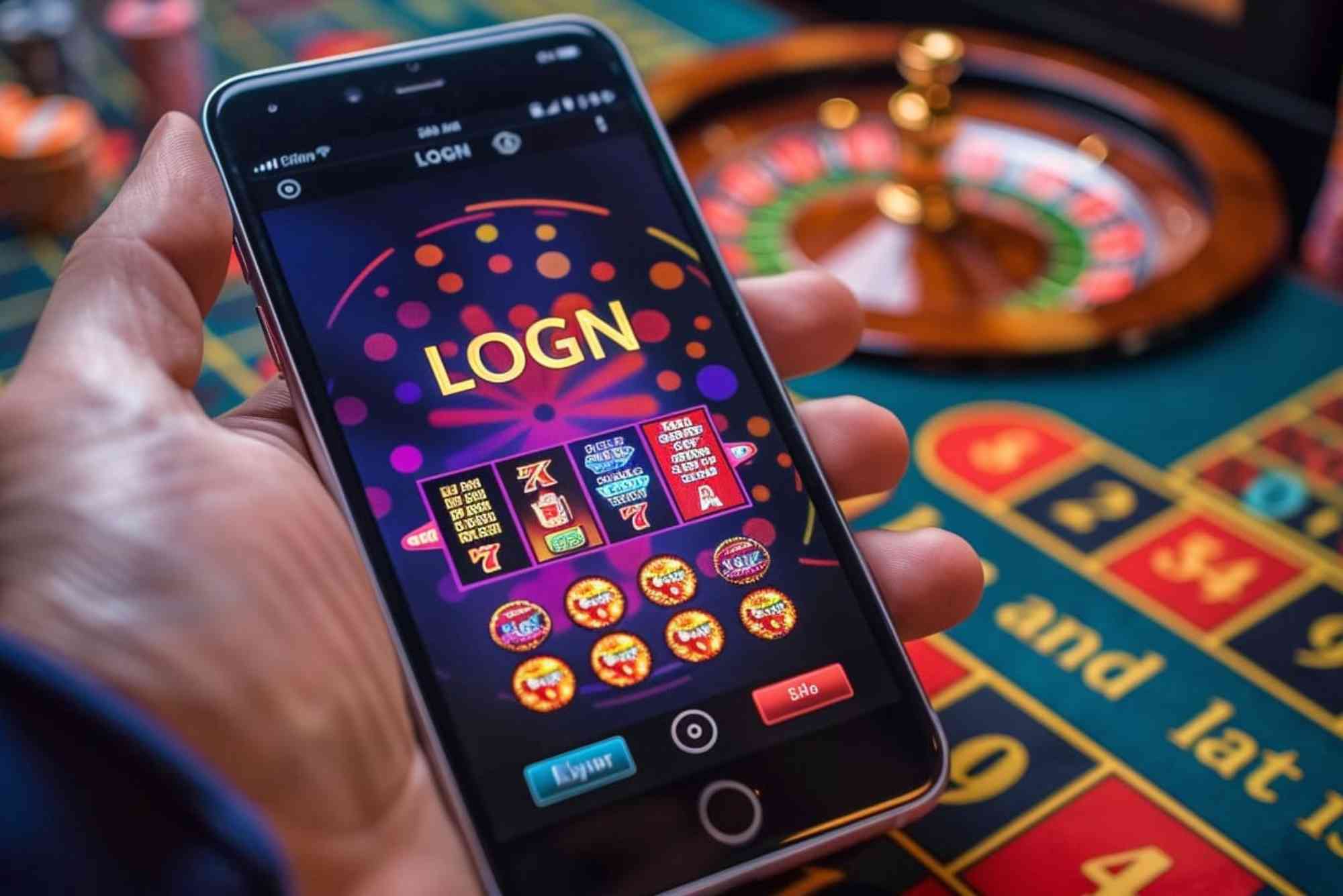
The growth of online gambling has been nothing short of remarkable. With thousands of betting sites, apps, and platforms available worldwide, accessibility to gambling has never been easier. But this convenience also comes with risks. For some players, gambling can move from a fun pastime to a serious problem that affects finances, relationships, and mental health.
This has sparked a critical question: can artificial intelligence (AI) play a role in identifying and even preventing problem gambling habits before they spiral out of control? The answer is increasingly pointing toward yes, with AI being viewed as one of the most promising tools for responsible gambling practices in the future.
How AI Is Currently Used in Gambling Platforms
AI is already a staple in many industries, from finance to healthcare, and gambling is no different. Casinos and betting platforms use AI for a wide variety of tasks: personalizing promotions, detecting fraudulent activity, and improving customer support through chatbots.
When it comes to player behavior, AI systems can analyze thousands of data points in real time. This includes how often players log in, how much they bet, how quickly they increase their stakes, and how they react to wins and losses. These patterns can reveal subtle warning signs of risky behavior that humans might overlook.
For instance, a sudden increase in deposit frequency or late-night playing sessions could signal the early stages of problem gambling. AI doesn’t get tired or distracted—it can flag these behaviors instantly, prompting platforms to intervene or provide resources for responsible play.
The Role of AI in Early Intervention
What makes AI particularly powerful is its predictive capability. Rather than waiting until a player self-reports an issue or racks up significant losses, AI can detect the signs much earlier. By building behavioral models, platforms can categorize players into risk groups and tailor interventions accordingly.
Some platforms are experimenting with automatic notifications that remind players of time spent or money wagered. Others lock accounts temporarily when risk indicators spike. This proactive approach is far more effective than relying on players to recognize their own harmful habits.
Of course, implementation varies across the industry. Regulated platforms tend to be more advanced in adopting these tools, while less regulated environments—such as Non GamStop Bookmakers—may lag behind or take different approaches to player monitoring. This makes AI’s role not just about technology but also about industry responsibility.
Can AI Truly Understand Human Behavior?
While AI offers remarkable potential, there are limitations. Gambling is deeply tied to psychology, emotions, and personal circumstances. Algorithms may flag someone as high-risk based on their playing frequency, but what if that person simply has more leisure time and a healthy budget? On the other hand, someone might gamble infrequently but in financially destructive ways that AI struggles to detect.
This highlights a key challenge: AI can analyze patterns, but interpreting them requires nuance. To be effective, AI must be paired with human oversight and ethical frameworks that ensure interventions are supportive rather than punitive.
Privacy Concerns and Data Responsibility
Another important consideration is privacy. For AI to analyze gambling habits, it needs access to a large amount of personal data: deposits, withdrawals, game preferences, and behavioral trends. While this data is often anonymized, players still worry about how much of their activity is being tracked.
The key lies in transparency. Casinos and betting platforms must clearly explain how data is used, how it benefits players, and how privacy is safeguarded. Without trust, even the best AI tools risk being seen as intrusive rather than protective.
Real-World Examples of AI in Action
Some operators have already begun rolling out AI-driven responsible gambling tools. For example, several European platforms use AI to monitor player activity and trigger “reality checks” if someone shows signs of unhealthy play. In some cases, AI systems automatically suggest deposit limits or direct players toward self-exclusion options.
There are even pilot programs exploring AI-driven chatbots that can engage players in conversations about their habits, offering both support and resources without judgment. Early feedback suggests that many players respond positively to these interventions, especially when they are framed as helpful nudges rather than restrictions.
The Future of AI and Responsible Gambling
Looking ahead, the role of AI in gambling is likely to expand further. As machine learning algorithms become more sophisticated, they’ll be able to detect even subtler patterns and offer more personalized interventions. Combined with emerging technologies like facial recognition and biometrics, AI could one day provide real-time monitoring of not just behavior but also emotional states.
However, this future comes with ethical responsibilities. Regulators, operators, and technology providers must strike a balance between protecting players and respecting their autonomy. AI should empower individuals to make better decisions, not simply enforce restrictions without context.
Final Thoughts
Artificial intelligence has already shown its potential to transform industries, and online gambling is no exception. By analyzing behavior patterns and detecting risk factors, AI offers a powerful tool for addressing problem gambling habits.
That said, technology alone isn’t a silver bullet. For AI to make a meaningful difference, it must be combined with transparency, responsible regulation, and human empathy. The goal isn’t just to stop harmful behavior but to create safer environments where players can enjoy gambling responsibly.
In my view, AI represents a promising future for responsible gambling. It won’t eliminate risks entirely, but it could make early detection and intervention the norm rather than the exception. And in an industry where lives can be deeply impacted by harmful habits, that progress is worth pursuing.