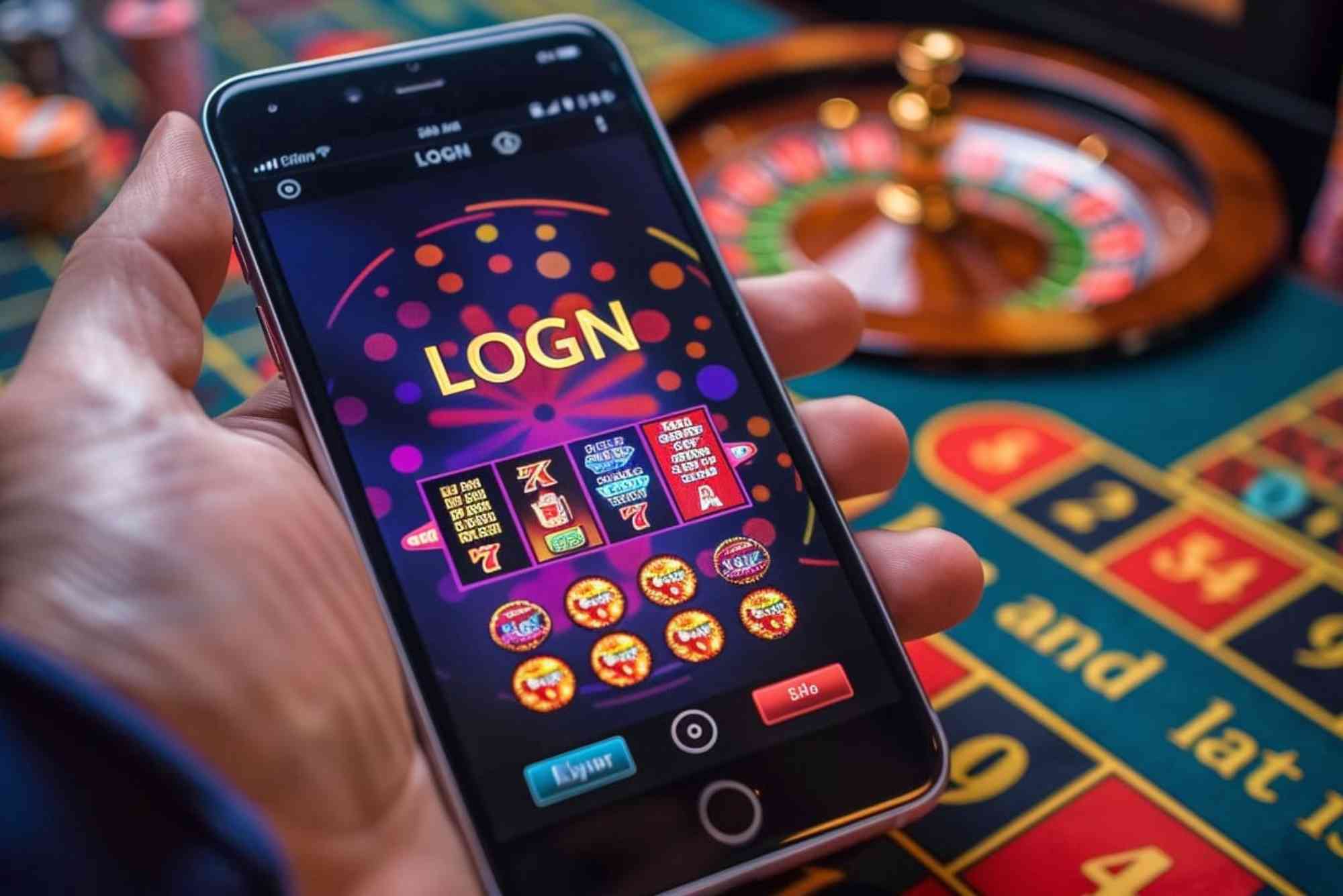
Slot machines are often called the “engine” of the gambling industry, not only because they generate massive revenue but because their design is carefully engineered to maximize engagement. From flashing lights to sound effects and the rhythm of spins, every element is designed with psychology in mind. The critical question is whether this design can actually influence gambling addiction. Based on industry studies, real-world observations, and player behavior, the evidence strongly suggests that slot machine design does play a significant role in how people gamble.
The Psychology Behind Slot Machine Design
Slot machines are not random entertainment devices—they are precision-crafted experiences. Developers use behavioral psychology principles such as “variable ratio reinforcement,” where rewards are unpredictable, to keep players spinning. The unpredictability is what makes the games so addictive. Just like in social media apps or video games, the anticipation of a win can be more powerful than the win itself.
The lights and sounds are not there for decoration. They trigger dopamine responses in the brain, making even small wins feel exciting. This reinforcement loop can condition players to keep playing, even when they are losing. The constant stimulation keeps gamblers in what researchers call the “zone,” where they lose track of time and money.
This is one reason why platforms outside mainstream regulations, such as casinos not on gamstop, often attract players looking for unrestricted experiences. Without the same safeguards, design elements may be even more powerful at keeping users engaged, raising important questions about responsibility and addiction risk.
It is similar to concerns explored by organizations like the National Voices for Addiction (NVA), which emphasize how environmental factors, not just personal choices, play a major role in addictive behaviors.
Reward Systems and Near Misses
One of the most controversial aspects of slot machine design is the concept of the “near miss.” A player might land two jackpot symbols and miss the third by just one space. Psychologically, this feels like almost winning, and research shows that near misses can be just as stimulating as actual wins. These moments encourage players to keep going, convinced that success is just around the corner.
Similarly, frequent small payouts create the illusion of progress. Even if the player is losing overall, the steady trickle of “wins” provides enough reinforcement to sustain engagement. This is why many players spend far more time and money on slot machines than they initially intend.
Immersion Through Themes and Storytelling
Modern slot machines no longer rely only on cherries and sevens. Today, they feature immersive themes—from blockbuster movies to ancient civilizations—complete with soundtracks, animations, and interactive bonuses. This evolution from mechanical reels to digital narratives has blurred the line between slots and video games.
These designs appeal to a wider audience, particularly younger players who grew up with video gaming. By combining entertainment with wagering, slot machines tap into the same psychological mechanisms that keep gamers playing for hours. But unlike video games, every spin comes with real financial risk.
Accessibility and the Digital Shift
The move to online and mobile platforms has made slot machines more accessible than ever. Players no longer need to visit a casino—they can spin from home, on the train, or during a lunch break. The 24/7 availability of digital slots amplifies the influence of their design. Features like auto-spin make continuous play effortless, while mobile-friendly interfaces ensure seamless engagement.
The challenge is that online platforms can update and refine designs far faster than physical casinos. Algorithms track player behavior in real time, adjusting offers and promotions to maximize retention. This personalization, while effective for business, heightens the risk of dependency.
Regulation and Responsibility
Given the evidence, regulators face a tough balancing act. On one hand, slot machines are a legitimate form of entertainment for millions of people. On the other, their design can clearly foster problematic gambling habits. Measures such as mandatory spin timers, loss limits, and self-exclusion tools are attempts to mitigate risk. However, the effectiveness of these tools depends on both enforcement and player willingness to use them.
Meanwhile, advocacy groups continue to push for greater transparency in how machines are designed and marketed. Just as food labeling helps consumers make informed choices, clearer communication about the addictive mechanics of slots could help players make more responsible decisions.
Final Thoughts
So, can slot machine design influence gambling addiction? The answer is yes, and the influence is substantial. Through sound, visuals, reinforcement loops, and near misses, slot machines are designed to keep players engaged far longer than they may intend. This doesn’t mean every player will develop a gambling problem, but for those vulnerable to addiction, the design can be a powerful trigger.
As online platforms expand and technology advances, the conversation around slot machine design will only become more urgent. Balancing entertainment with responsibility is the key to ensuring that these games remain fun without becoming destructive. Ultimately, the responsibility lies with both operators and regulators to recognize the power of design and act accordingly.